
Sending money to Brazil, whether for family support, business transactions, or property investments, requires navigating various options to find the most efficient, cost-effective, and secure method. With Brazil's rapidly evolving financial landscape, including the widespread adoption of instant payment systems like Pix, understanding your choices is more critical than ever. This guide will explore the best ways to send money to Brazil, considering factors like exchange rates, fees, speed, and convenience.
Understanding Brazil's Payment Landscape: The Rise of Pix
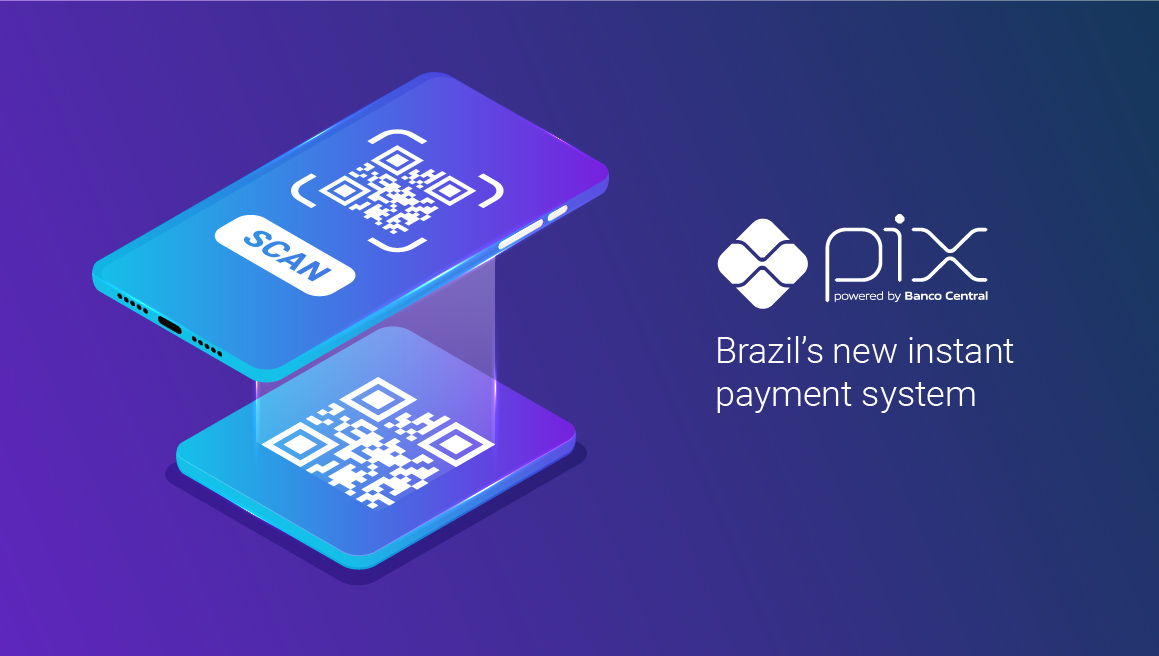
Brazil has undergone a significant digital payments revolution, largely driven by the Central Bank's instant payment system, Pix. Launched in late 2020, Pix has quickly become the most used payment method in the country, boasting over 110 million users. It allows for real-time transfers 24/7, including weekends and holidays, directly between bank accounts, often with zero or very low fees within Brazil. For international remittances, many modern money transfer services and fintech platforms have integrated with Pix, making it an incredibly efficient way for recipients in Brazil to receive funds.
What is Pix and How Does It Work for International Transfers?
Pix operates using "keys" which can be a CPF/CNPJ (Brazilian tax ID), email address, phone number, or a random alphanumeric code. To receive money via Pix, the recipient simply provides their Pix key. Many international money transfer services now offer direct deposits to Pix keys, converting your sent currency into Brazilian Reals (BRL) and instantly crediting the recipient's bank account.
Top Methods for Sending Money to Brazil
The choice of method depends on your priorities: cost, speed, convenience, and the amount you're sending. Here's a breakdown of the most popular and effective options:
1. Online Money Transfer Services
These platforms have largely disrupted traditional banking for international remittances due to their competitive exchange rates, lower fees, and faster transfer times. They are often the "best way" for many users.
- Wise (formerly TransferWise): Known for its transparent mid-market exchange rates and low, upfront fees. Wise allows transfers directly to Brazilian bank accounts and increasingly to Pix keys. Transfers are typically fast, often arriving within minutes or a few hours, depending on the payment method and destination.
- Remitly: Offers various delivery options, including bank deposits, cash pickup, and Pix transfers. Remitly often has promotional rates for first-time users and can be a cost-effective choice for smaller amounts.
- WorldRemit: Provides flexible options such as bank deposits, cash pickup, and mobile money. They offer competitive exchange rates and their service is generally user-friendly.
- Xoom (a PayPal service): Facilitates bank deposits, cash pickup, and bill payments in Brazil. It's often favored by those already using PayPal for its convenience and established network.
- Ria Money Transfer: Has expanded its real-time payment capabilities in Brazil, partnering with local banks like Banco Rendimento. They offer a mix of online transfers and a physical agent network for cash pickup.
When using these services, always compare their exchange rates and fees. A seemingly lower fee might be offset by a less favorable exchange rate, so calculate the total amount the recipient will receive.
2. Traditional Bank Wire Transfers
Sending money directly through your bank via an international wire transfer is a conventional method. While reliable, it's typically slower and more expensive than online transfer services.
- Pros: Highly secure, suitable for large sums, and familiar to many.
- Cons: Higher transfer fees (both sender and recipient banks may charge), less favorable exchange rates, and longer processing times (typically 2-5 business days).
For recipients in Brazil, receiving a wire transfer often involves specific documentation and can sometimes incur a fee from the receiving Brazilian bank. Always check with both your bank and the recipient's bank regarding all associated costs.
3. Cash Pickup Services
For recipients who may not have a bank account or prefer cash, services like Western Union and MoneyGram remain viable options. These services allow you to send money online or in person, and the recipient can pick up the cash at a designated agent location in Brazil.
- Western Union: A global leader in money transfers, offering extensive agent locations in Brazil. Funds can often be available for cash pickup within minutes.
- MoneyGram: Similar to Western Union, with a broad network of agents. MoneyGram has expanded its online services in Brazil to simplify sending money abroad.
While convenient for cash, these services can sometimes have higher fees and less competitive exchange rates compared to online-only platforms, especially for larger amounts. Always compare the total cost, including exchange rate margins.

4. Mobile Payment Apps (e.g., WhatsApp Pay)
WhatsApp, a widely used messaging app in Brazil, has integrated payment functionalities. Initially launched for peer-to-peer transfers within Brazil, it has expanded to include payments for small businesses and is becoming a significant player in the digital payment ecosystem.
- WhatsApp Pay: Allows users to send and receive money directly within the app, linked to their debit or credit cards. While primarily for domestic use, its growing prominence suggests potential for future international integration or as a final disbursement method for funds received through other channels. Currently, directly sending money from outside Brazil to a WhatsApp Pay account isn't a primary international remittance method, but it highlights Brazil's advanced mobile payment acceptance.
5. Cryptocurrency and Blockchain Transfers
For those comfortable with digital assets, cryptocurrency offers an alternative, often with lower transaction fees and faster settlement times, especially for larger sums. Platforms like Kraken have embraced Pix integration in Brazil, indicating a growing acceptance of crypto-related financial services.
- Pros: Fast, potentially lower fees, especially for large amounts.
- Cons: Volatility of cryptocurrencies, requires both sender and receiver to be familiar with crypto wallets and exchanges, regulatory complexities.
This method is more niche and typically suited for tech-savvy individuals or businesses comfortable with the associated risks and technicalities.
Key Factors to Consider When Choosing a Service
To ensure you select the best method for your specific needs, evaluate these critical factors:
a. Exchange Rates
The exchange rate directly impacts how much Brazilian Reals your recipient receives. Look for services that offer competitive rates, ideally close to the mid-market rate. Some providers might advertise "zero fees" but recoup costs through less favorable exchange rates.
b. Fees and Hidden Costs
Scrutinize all fees:
- Transfer Fees: The explicit cost charged by the service for sending money.
- Recipient Fees: Some Brazilian banks may charge a fee for receiving international transfers.
- IOF (Imposto sobre Operações Financeiras): Brazil applies a financial operations tax (IOF) on international money transfers. The rate can vary depending on the type of operation (e.g., transfer to your own account vs. to a third party). Be aware that this tax is mandated by the Brazilian government and will be applied regardless of the transfer service you choose. The service provider usually clarifies how this is applied.
c. Transfer Speed
How quickly does the money need to arrive?
- Instant (minutes): Often available with Pix-integrated services, cash pickup, or some digital wallets.
- Same-day to 1 business day: Common for many online transfer services, especially for bank deposits.
- 2-5 business days: Typical for traditional bank wire transfers.
d. Security and Reliability
Ensure the service you choose is reputable and regulated. Look for reviews and check their licensing information. Your funds should be secure throughout the transfer process.
e. Transfer Limits
Different services have varying daily, weekly, or monthly transfer limits. If you plan to send large sums, verify that your chosen provider can accommodate your needs.
f. Recipient Options
Confirm how your recipient prefers to receive the money: directly to their bank account (via Pix or standard bank transfer), cash pickup, or mobile wallet.
Tips for a Smooth Money Transfer to Brazil
- Gather Recipient Information: Ensure you have the full name, address, phone number, bank name, bank branch, account number, and CPF (Cadastro de Pessoas Físicas) or CNPJ (Cadastro Nacional da Pessoa Jurídica) if sending to a business. For Pix, simply the Pix key is often sufficient.
- Compare Services: Use online comparison tools to find the best exchange rates and lowest fees for your specific transfer amount and destination.
- Understand the IOF Tax: Factor in Brazil's IOF tax (Imposto sobre Operações Financeiras) when calculating the total cost.
- Monitor Exchange Rates: Exchange rates fluctuate. If your transfer isn't urgent, you might wait for a more favorable rate. Some services offer rate alerts.
- Review Transfer Details Carefully: Double-check all recipient details before confirming the transfer to avoid delays or lost funds.