:max_bytes(150000):strip_icc()/are-money-market-accounts-considered-checking-or-savings.asp-final-cdfb86cadd614436badd72168a285667.png "Money Market Account vs Checking Account Comparison")
The world of personal finance offers a variety of banking products designed to help individuals manage their money effectively. Among these, checking accounts and money market accounts are two common options that, at first glance, might seem similar due to some shared functionalities. However, to truly optimize your financial strategy, it's crucial to understand that while a money market account shares certain characteristics with a checking account, it is fundamentally a different type of financial instrument. This article will delve into the distinct features, benefits, and ideal use cases for both checking accounts and money market accounts, providing clarity on how they differ and how each can serve your financial needs.
What is a Checking Account?
A checking account is arguably the most fundamental banking account for day-to-day financial management. Its primary purpose is to facilitate frequent transactions, allowing easy access to funds for everyday expenses, bill payments, and cash withdrawals. These accounts are designed for high liquidity, meaning your money is readily available whenever you need it.

Key Features of a Checking Account
Checking accounts are characterized by several features that make them essential for daily financial operations. They offer high liquidity, enabling users to perform an unlimited number of transactions, including deposits, withdrawals, and transfers, without incurring per-transaction fees (though some banks may impose monthly service fees or overdraft charges). Most checking accounts come with a debit card, allowing for point-of-sale purchases and ATM withdrawals, and provide check-writing capabilities for direct payments. Online and mobile banking platforms further enhance accessibility, allowing for easy bill payments, fund transfers, and account monitoring. Typically, traditional checking accounts offer very low, if any, interest rates on the deposited funds, as their focus is on transactional convenience rather than earning returns. Importantly, checking accounts at FDIC-insured institutions are protected up to the standard maximum deposit insurance amount of $250,000 per depositor, per insured bank, for each ownership category, providing a significant layer of security for your funds.
Best Use Cases for Checking Accounts
Checking accounts are indispensable for managing immediate financial needs. They are ideal for receiving direct deposits from employers, paying monthly bills, making daily purchases with a debit card, and accessing cash quickly through ATMs. For individuals or households requiring constant access to their funds for regular spending and obligations, a checking account serves as the central hub for their transactional activity.
What is a Money Market Account?
A Money Market Account (MMA) is a type of interest-bearing deposit account offered by banks and credit unions. It often represents a hybrid between a traditional savings account and a checking account, designed to offer a better interest rate than a standard savings account while still providing some limited transactional capabilities.
Key Features of a Money Market Account
Money market accounts blend features from both checking and savings accounts. They typically offer higher interest rates compared to standard checking or even traditional savings accounts, making them attractive for funds you want to grow more quickly without locking them away. However, unlike checking accounts, MMAs come with limitations on the number of transactions you can make each month. Historically, Regulation D limited these "convenient" withdrawals and transfers (e.g., checks, debit card purchases, online transfers) to six per statement cycle. While Regulation D was suspended in 2020, many financial institutions still impose similar limits at their discretion. MMAs often require a higher minimum balance to open and maintain, and to earn the highest advertised Annual Percentage Yields (APYs). Despite these limitations, they usually include a debit card and check-writing privileges, albeit with the monthly transaction caps. Like checking accounts and savings accounts, money market accounts held at FDIC-insured institutions are also protected up to $250,000 per depositor, per insured bank, for each ownership category, ensuring the safety of your principal.
Best Use Cases for Money Market Accounts
Money market accounts are well-suited for individuals looking to store funds that need some liquidity but also have the potential to earn more interest than a standard checking or savings account. They are excellent for emergency funds, short-term savings goals (like a down payment for a car or home, or a vacation fund), or holding a portion of your liquid assets that you might need to access occasionally but not daily. The higher interest rate helps these funds grow while remaining relatively accessible.
Money Market Account vs. Checking Account: A Direct Comparison
To clearly distinguish between these two financial products, let's look at their core differences side-by-side.
Liquidity and Access
When it comes to accessing your money, checking accounts offer superior liquidity. They are designed for frequent, often unlimited, transactions, allowing you to pay bills, make purchases, and withdraw cash freely. Money market accounts, while providing some access, impose limits on certain types of transactions per month. This means MMAs are less suitable for daily spending needs and more for funds you don't expect to touch regularly.
Interest Earnings
This is one of the most significant distinguishing factors. Traditional checking accounts typically offer very low or no interest on your balance. Their value lies in convenience and transactional utility. Money market accounts, on the other hand, are designed to be interest-bearing, often offering rates significantly higher than standard checking or savings accounts. The interest rates on MMAs can also be tiered, meaning larger balances might earn even higher rates.
Transaction Limitations
As mentioned, checking accounts generally come with unlimited transaction capabilities. Money market accounts, however, are subject to transaction limits, typically allowing up to six "convenient" withdrawals or transfers (e.g., checks, debit card transactions, online transfers) per monthly statement cycle. Exceeding these limits can result in fees or even the conversion of your account to a different type.
Minimum Balance Requirements
Checking accounts can have varying minimum balance requirements, with many basic accounts having none or easily waivable fees. Money market accounts, however, often require a higher minimum balance to open and to avoid monthly service fees or to qualify for the best interest rates. This makes them less ideal for individuals who typically maintain very low balances.
Is a Money Market Account a Savings Account? (Brief Distinction)
While money market accounts are often categorized with savings accounts due to their interest-earning potential and transactional limits, they do differ. Traditional savings accounts are primarily for saving and rarely offer check-writing or debit card access. Money market accounts, despite their transaction limitations, typically provide these limited checking features, offering a bit more flexibility than a pure savings account while still aiming for better returns than a checking account.
Choosing the Right Account for Your Financial Needs
Deciding between a checking account and a money market account, or how to use both, depends entirely on your financial habits and goals.
When to Use a Checking Account
A checking account is your go-to for all routine financial activities. Use it for your primary income deposits, paying rent or mortgage, utility bills, groceries, and other frequent expenditures. If you need immediate, unrestricted access to your funds for daily life, a checking account is essential.
When to Use a Money Market Account
A money market account is excellent for funds you want to keep liquid but also want to earn a better return than a standard savings account. It's an ideal home for your emergency fund, as it keeps the money accessible for unexpected situations but out of sight from daily spending temptations. It's also suitable for short-term savings goals where you might need to make a few withdrawals over a month, but not constant transactions. For example, saving for a large purchase like a car, a home down payment, or a significant vacation could benefit from an MMA's higher interest rates while maintaining some level of accessibility.
FDIC Insurance: Protecting Your Funds
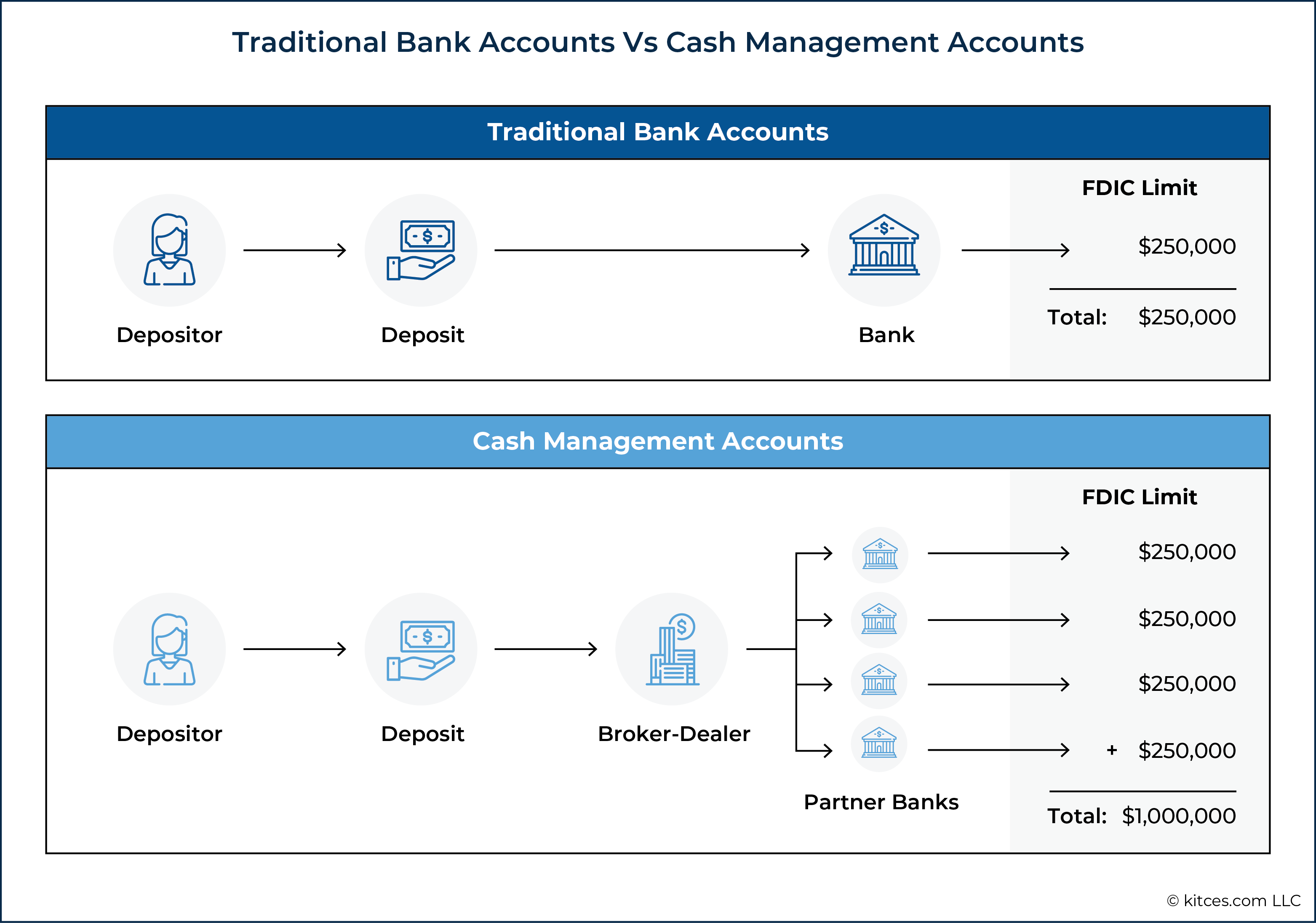
A crucial aspect of both checking and money market accounts is the protection offered by the Federal Deposit Insurance Corporation (FDIC). Both types of accounts, when held at an FDIC-insured bank (or NCUA-insured for credit unions), are protected up to $250,000 per depositor, per institution, per ownership category. This means that in the unlikely event of a bank failure, your deposited funds are safe up to this limit. This insurance provides peace of mind, ensuring that your hard-earned money in either a checking or money market account is secure.