In today's financial landscape, where every dollar counts, finding the right place for your savings is crucial. Traditional savings accounts often offer minimal returns, barely keeping pace with inflation. This is where a High-Yield Money Market Savings Account (HYMMASA) emerges as an attractive option, presenting a compelling blend of higher interest earnings and convenient access to your funds. Designed for individuals and businesses seeking to maximize their cash reserves without locking them away in long-term investments, HYMMASAs bridge the gap between low-yield savings and more restrictive investment vehicles. They are particularly appealing in environments where interest rates are rising or are expected to remain competitive, allowing your money to work harder for you.
Understanding the fundamental features of a high-yield money market account is essential for determining if it aligns with your financial objectives. While they share similarities with regular savings accounts, several distinct characteristics set them apart, primarily revolving around interest rates, liquidity, and protective measures.

Key Characteristics of High-Yield Money Market Accounts
Competitive Interest Rates
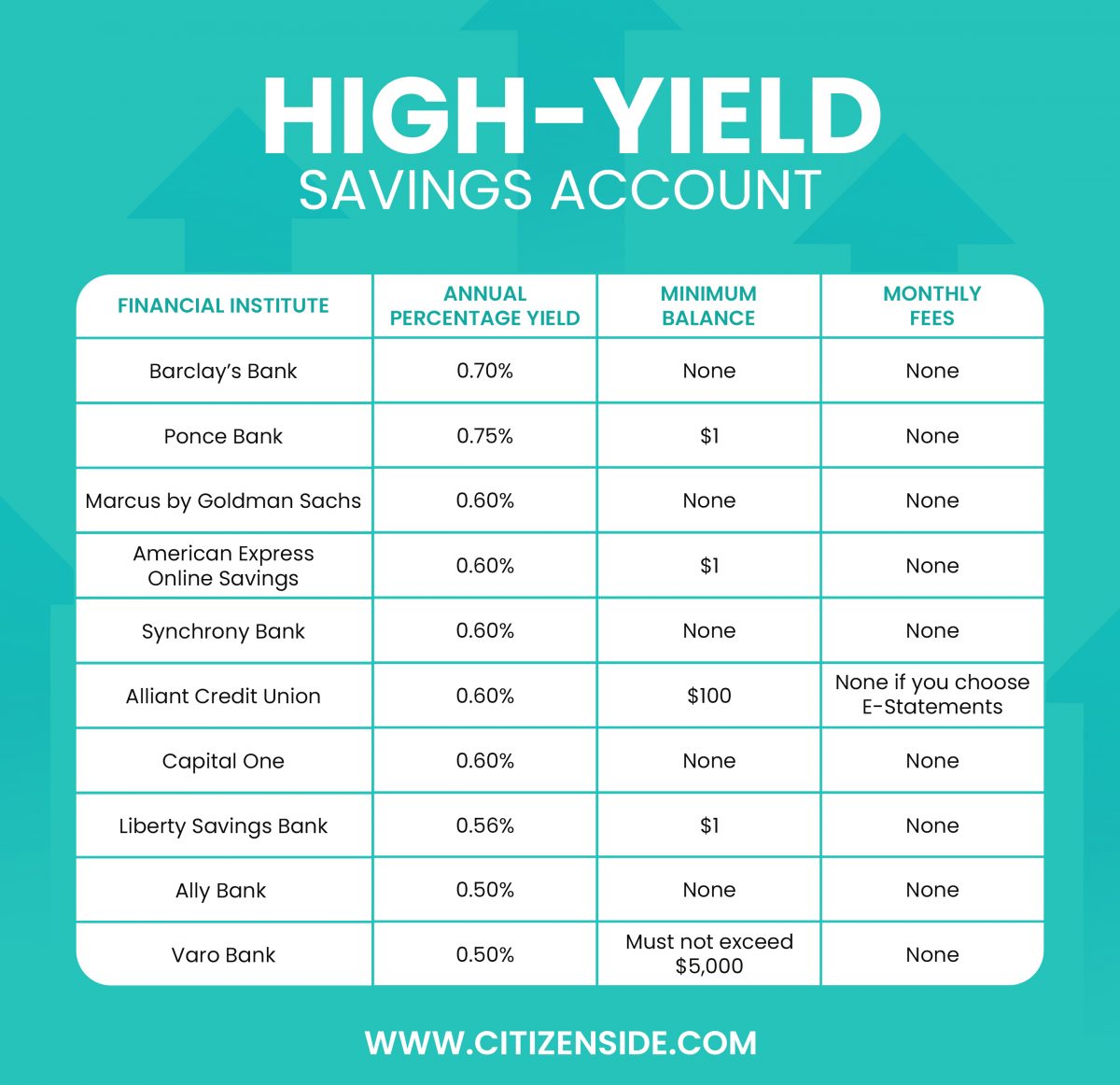
The hallmark of a high-yield money market account is its attractive Annual Percentage Yield (APY). Unlike standard savings accounts that often offer negligible interest, HYMMASAs aim to provide significantly higher returns, sometimes mirroring or even surpassing the rates of short-term Certificates of Deposit (CDs) without the same level of commitment. These rates are typically variable, meaning they can fluctuate with market conditions, but they consistently aim to be among the best available for liquid cash. Staying informed about current market trends and comparing rates from various financial institutions is vital to securing the most advantageous APY for your deposits. Recent market data shows top money market accounts offering APYs upwards of 4.00% to 5.00%, making them a strong contender for growing your savings. For a broader perspective on maximizing your savings, you might find this article on Maximizing Your Savings with a High Yield Money Market Account insightful.
Enhanced Liquidity and Access to Funds
One of the primary advantages of a money market account over a traditional savings account is its enhanced liquidity features. While still subject to federal Regulation D, which typically limits certain withdrawals and transfers to six per statement cycle, HYMMASAs often provide more flexible access to your money. Many accounts come with check-writing privileges and/or a debit card, allowing direct access for payments or ATM withdrawals. This level of accessibility makes them an excellent choice for holding emergency funds or saving for short-term goals where you might need to tap into your savings with relative ease and speed, unlike the more restrictive nature of a Certificate of Deposit (CD).
FDIC or NCUA Insurance: Your Deposits Are Safe
Security is a paramount concern for any saver, and high-yield money market accounts offer peace of mind through federal insurance. Accounts held at banks are insured by the Federal Deposit Insurance Corporation (FDIC) for up to $250,000 per depositor, per institution, for each account ownership category. Similarly, accounts at credit unions are insured by the National Credit Union Administration (NCUA) with the same coverage limits. This insurance protects your deposits against the unlikely event of bank failure, making HYMMASAs a safe haven for your funds, comparable to traditional savings and checking accounts. For more details on safe banking, consider reading about Best Money Market Accounts for Your Savings in 2026.
Minimum Balance Requirements and Associated Fees
While attractive in their returns and accessibility, high-yield money market accounts often come with specific requirements. Many institutions impose a higher minimum opening deposit and/or a minimum ongoing balance to qualify for the advertised high yields and to avoid monthly maintenance fees. These minimums can vary significantly between providers, ranging from a few hundred to several thousand dollars. It’s crucial to scrutinize these requirements before opening an account, as failing to meet them could lead to reduced interest earnings or unexpected charges that eat into your returns. Some online banks, however, may offer more lenient or no minimum balance requirements, making them accessible to a wider range of savers.
High-Yield Money Market vs. High-Yield Savings Accounts: Understanding the Differences
The terms "high-yield money market account" and "high-yield savings account" are often used interchangeably, leading to confusion among savers. While both offer better returns than traditional savings accounts, subtle yet important distinctions exist, primarily in their accessibility features and, at times, their typical interest rate offerings.
Interest Rates: Who Offers More?
Historically, high-yield savings accounts (HYSAs) have often been lauded for consistently offering some of the highest interest rates among liquid cash options. High-yield money market accounts (HYMMASAs) also offer competitive rates, often very close to HYSAs, and sometimes even surpass them, especially in specific market conditions or through promotional offers. The key takeaway is that rates for both account types are variable and can change with the economic climate and the Federal Reserve's policies. Therefore, it’s always wise to compare current APYs from various banks and credit unions when making a decision, as the "best" rate can shift frequently. Many financial publications regularly update lists of top rates for both account types, with some HYSAs reaching up to 5% APY and MMAs often in the 4% APY range, though these are subject to change.
Accessibility and Transaction Limits
This is arguably the most significant differentiator. Both account types are generally subject to Regulation D, which limits certain convenient withdrawals and transfers to six per statement cycle. However, high-yield money market accounts typically offer more direct transactional capabilities. This often includes features like a debit card and/or check-writing privileges, allowing for easier access to funds for everyday needs or bill payments. High-yield savings accounts, while offering liquidity, are usually designed purely for saving and may not come with these direct transaction tools, requiring transfers to a linked checking account for most spending. To understand more about the nuances, read our comparison on Choosing Between a Savings Account and a Money Market Account.
Additional Features and Flexibility
The extra features of an MMA, such as debit card access and check-writing, lend themselves to a slightly different use case. While a HYSA is almost exclusively for parking cash to earn high interest, an HYMMA can function as a hybrid account, offering some of the transactional conveniences of a checking account alongside the interest-earning potential of a savings account. For individuals who want their emergency fund to be readily accessible via check or debit card, an HYMMA might be the more appealing choice. Conversely, if direct spending access isn't a priority and the goal is purely to maximize interest on dormant cash, a HYSA might offer a marginally better rate with fewer frills.

Why Consider a High-Yield Money Market Savings Account?
Choosing a financial product requires a clear understanding of its benefits and how it aligns with your personal financial strategy. High-Yield Money Market Savings Accounts offer several compelling advantages, making them an attractive option for many savers.
Maximizing Your Savings' Earning Potential
In an era where inflation can erode the purchasing power of idle cash, earning a competitive return on your savings is paramount. High-yield money market accounts consistently offer significantly higher Annual Percentage Yields (APYs) compared to traditional savings accounts offered by many large banks. This means your money grows faster, allowing you to reach your financial goals, such as a down payment on a home, a significant purchase, or building a robust emergency fund, more efficiently. The difference in earnings can be substantial over time, transforming stagnant savings into a genuinely growing asset.
Maintaining Liquidity for Emergency Funds or Short-Term Goals
One of the core strengths of an HYMMA is its exceptional balance between growth and accessibility. Unlike Certificates of Deposit (CDs), which lock in your funds for a specific term, money market accounts provide liquidity, allowing you to withdraw or transfer funds when needed (within Regulation D limits). This makes them an ideal vehicle for emergency savings, where immediate access to cash is critical, or for funds earmarked for short-term goals like a vacation or a new car purchase. The ability to earn high interest while keeping your money readily available offers considerable flexibility that many other savings options lack.
Safety and Security of Your Deposits
The safety of your money is a non-negotiable factor. High-yield money market savings accounts offered by reputable banks and credit unions are insured by federal agencies. Bank accounts are backed by the Federal Deposit Insurance Corporation (FDIC), and credit union accounts are backed by the National Credit Union Administration (NCUA), both up to $250,000 per depositor, per institution, per ownership category. This robust insurance protects your principal, ensuring that even if the financial institution fails, your deposited funds are safe. This level of security offers peace of mind, making HYMMASAs a low-risk option for storing your valuable savings.
How to Find the Best High-Yield Money Market Savings Account
With numerous financial institutions offering money market accounts, selecting the "best" one requires careful consideration of several factors. What works best for one individual may not be ideal for another, so it's important to assess your own financial habits and priorities.
Comparing Interest Rates and APY
The most obvious starting point is the Annual Percentage Yield (APY). While a high APY is desirable, it's crucial to remember that rates are variable and can change. Look for institutions that have a history of offering competitive rates, and be wary of introductory "teaser" rates that might drop significantly after a few months. Online banks and credit unions are often leaders in offering higher APYs due to lower overhead costs. Always compare current rates across multiple providers to ensure you're getting the most out of your money. Utilize financial comparison websites that aggregate current rates to streamline your research.
Understanding Fees and Minimum Balance Requirements
A high APY can quickly be offset by high fees or stringent minimum balance requirements. Before committing, thoroughly review the account's fee structure. Are there monthly maintenance fees? Can these fees be waived by maintaining a certain minimum balance or setting up direct deposit? What is the minimum opening deposit, and is there a tiered interest rate structure that offers higher rates for larger balances? Choose an account whose minimums are realistically achievable for you to avoid incurring unnecessary charges.
Assessing Access and Transaction Options
Consider how you plan to access your funds. If you value the convenience of a debit card for direct purchases or the ability to write checks, ensure the money market account offers these features. Some accounts may be more restrictive, requiring transfers to a linked checking account for most transactions. Evaluate the number of fee-free transactions allowed per month and if there are any limitations on ATM access or branch services. For those who frequently need to move money, seamless online and mobile banking capabilities are also crucial.
Reviewing Bank Reputation and Customer Service
Beyond rates and features, the reliability and customer service of the financial institution are vital. Research reviews from current customers regarding their experience with the bank or credit union. Look for a track record of good customer support, easy-to-navigate online platforms, and responsive assistance when issues arise. A slightly lower APY might be a worthwhile trade-off for superior customer service and a trustworthy institution, especially for an account where you hold significant savings.
Potential Drawbacks and Considerations
While High-Yield Money Market Savings Accounts offer numerous benefits, it's also important to be aware of their potential downsides to make an informed financial decision.
Variable Interest Rates
Unlike Certificates of Deposit (CDs), which lock in an interest rate for a specific term, the Annual Percentage Yield (APY) on money market accounts is variable. This means the rate can change at any time, moving up or down based on prevailing market conditions and the Federal Reserve's monetary policy. While this can be an advantage when rates are rising, it also means your earnings can decrease if rates fall. Savers must be comfortable with this variability and be prepared to monitor rates and potentially move their funds to a different institution if their current account's APY becomes uncompetitive.
Transaction Limitations
Although money market accounts offer more flexibility than traditional savings in terms of access (e.g., debit cards, check-writing), they are still subject to federal Regulation D. This regulation limits certain outgoing transfers and withdrawals to six per statement cycle. Exceeding this limit can result in fees or, in some cases, the bank converting your money market account into a standard checking account. While this limit is generally sufficient for emergency funds or infrequent withdrawals, it means an HYMMA is not suitable for everyday spending or frequent transactions.
Often Higher Minimum Balance Than High-Yield Savings Accounts
Many high-yield money market accounts require a higher minimum balance to open the account, to earn the advertised APY, or to avoid monthly maintenance fees, compared to some high-yield savings accounts. These minimums can range from several hundred to several thousand dollars, which might be a barrier for individuals just starting their savings journey or those with smaller amounts of cash to park. Failing to meet these minimums can result in lower interest earnings or additional fees, reducing the overall benefit of the account. It's crucial to find an account whose balance requirements align with your financial capacity.
By carefully weighing these factors against your individual financial needs and goals, you can determine if a high-yield money market savings account is the right choice for your money management strategy.