
Money orders serve as a reliable and secure payment method, often preferred over personal checks in situations requiring guaranteed funds or when one party doesn't have a bank account. For recipients, knowing which financial institutions accept these instruments and under what conditions is crucial. Generally, most banks and credit unions will accept money orders for deposit, and sometimes for cashing, especially if you hold an account with them. However, specific policies, fees, and requirements can vary significantly.
What is a Money Order?
A money order is a payment order for a pre-specified amount of money. It is issued by a government or banking institution and can be purchased for a small fee. Like a certified check, a money order is a guaranteed form of payment because it is prepaid by the purchaser. Common issuers include the U.S. Postal Service (USPS), Western Union, and MoneyGram, as well as some banks and credit unions. They typically have a maximum limit, often $1,000, making them suitable for smaller transactions where cash is risky and a personal check might not be trusted.
Why Use a Money Order?
Money orders offer several advantages: they don't bounce like personal checks, they provide a receipt for proof of payment (which can be used to trace a lost or stolen money order), and they don't require the sender or receiver to have a bank account to complete a transaction. This makes them particularly useful for sending money through the mail, paying bills, or making purchases when a seller prefers a more secure payment than a personal check.

General Bank Policy on Money Orders
When it comes to money orders, banks generally act as intermediaries, facilitating their exchange. Most traditional banks and credit unions readily accept money orders for deposit into an existing account. Cashing a money order, especially if you do not have an account with the bank, can be more challenging and may incur fees. The primary concern for banks is verifying the legitimacy of the money order to prevent fraud, as counterfeit money order scams are not uncommon.
Depositing a Money Order at Your Bank
Depositing a money order into your bank account is typically the most straightforward process. It functions much like depositing a check.
How Banks Process Money Order Deposits
When you deposit a money order, the bank verifies its authenticity and the amount. Once processed, the funds are credited to your account. Depending on your bank's policies and your account history, there might be a hold placed on the funds, similar to a check deposit. This hold period allows the bank to ensure the funds are legitimate before making them fully available to you, mitigating risks associated with fraudulent money orders.
Requirements for Depositing a Money Order
To deposit a money order, you will generally need:
- The endorsed money order (signed on the back).
- Your bank account number.
- A deposit slip (if depositing at a branch or ATM).
- A valid form of identification (especially if depositing in person).
It's always advisable to verify the maximum amount your bank will accept for a money order deposit, though most money orders fall within standard deposit limits.
Mobile Deposit of Money Orders
Many banks now offer mobile deposit services through their smartphone apps. This can be a convenient way to deposit money orders without visiting a branch or ATM. You typically endorse the money order, take a photo of the front and back with your banking app, and submit it for deposit.
Limits and Holds on Mobile Deposits
Mobile deposits often come with daily or per-transaction limits, which may be lower than in-person deposit limits. Banks may also place longer holds on mobile deposits of money orders to verify their authenticity, especially if the amount is significant or if you have a new account. Always check your bank's specific mobile deposit terms and conditions to understand any limitations or hold periods.
Cashing a Money Order at a Bank
Cashing a money order provides immediate access to funds, but it can be more difficult than depositing, particularly if you don't have an account at the bank where you're attempting to cash it.
Requirements for Cashing a Money Order
To cash a money order at a bank, you will almost certainly need:
- The endorsed money order.
- One or more valid forms of government-issued photo identification (e.g., driver's license, passport).
- If you are not an account holder, the bank may require additional verification or refuse to cash it altogether due to fraud concerns.
Banks prioritize their account holders, as they have an established relationship and transaction history to rely upon for verification.
Cashing a Money Order at Your Bank vs. Another Bank
Cashing a money order at your own bank is usually easier. They have your account information and history, which speeds up the verification process. They may also waive fees for account holders.
Attempting to cash a money order at a bank where you don't have an account is considerably harder. Non-customers are often subjected to stricter scrutiny or outright denied, as the bank has no way to recover funds if the money order proves to be fraudulent. If they do cash it, they will almost certainly charge a fee, and they may have a lower maximum amount they're willing to cash for non-customers.
Fees for Cashing Money Orders
While depositing a money order into your own account is usually free, cashing one, especially if you're not an account holder, often incurs a fee. These fees vary by institution but can range from a few dollars to a percentage of the money order's value. Major issuers like USPS or retailers like Walmart, which also offer money order services, typically provide lower-cost cashing options for money orders they issued.
Major Banks and Money Order Services
Most large national banks in the U.S. will accept money orders for deposit. When it comes to cashing, policies can be more nuanced.
Common Policies Across Large Banks (e.g., Chase, Bank of America, Wells Fargo, U.S. Bank)
Generally, major banks like Chase, Bank of America, Wells Fargo, and U.S. Bank will accept money orders for deposit into an account held with them. Mobile deposit options are also widely available. For cashing, they will prioritize their own customers. If you're not a customer, they may cash a money order for a fee, but it's not guaranteed, and they might require the money order to be issued by a reputable source and verified through their systems.
It's important to note that while many branches might follow a general guideline, individual branch managers can exercise discretion, especially with higher amounts or suspicious-looking money orders. Banks are vigilant against fraud, and any red flags can lead to delays or refusal.
Finding Specific Bank Policies
The best way to confirm a specific bank's policy is to check their official website or contact their customer service directly. You can also visit a local branch, though phone or online resources often provide the most up-to-date and general information. When asking, specify whether you intend to deposit or cash the money order, and whether you are an account holder.
Alternatives to Money Orders
While money orders are useful, other secure payment methods might be more suitable depending on the situation.
Certified Checks and Cashier's Checks
Similar to money orders in offering guaranteed funds, certified checks and cashier's checks are typically used for larger transactions. A certified check is a personal check guaranteed by the bank, while a cashier's check is drawn directly from the bank's own funds. Both are generally accepted by banks for deposit and are considered very secure. They are typically available for higher amounts than money orders.
Electronic Funds Transfers (EFTs) and P2P Apps
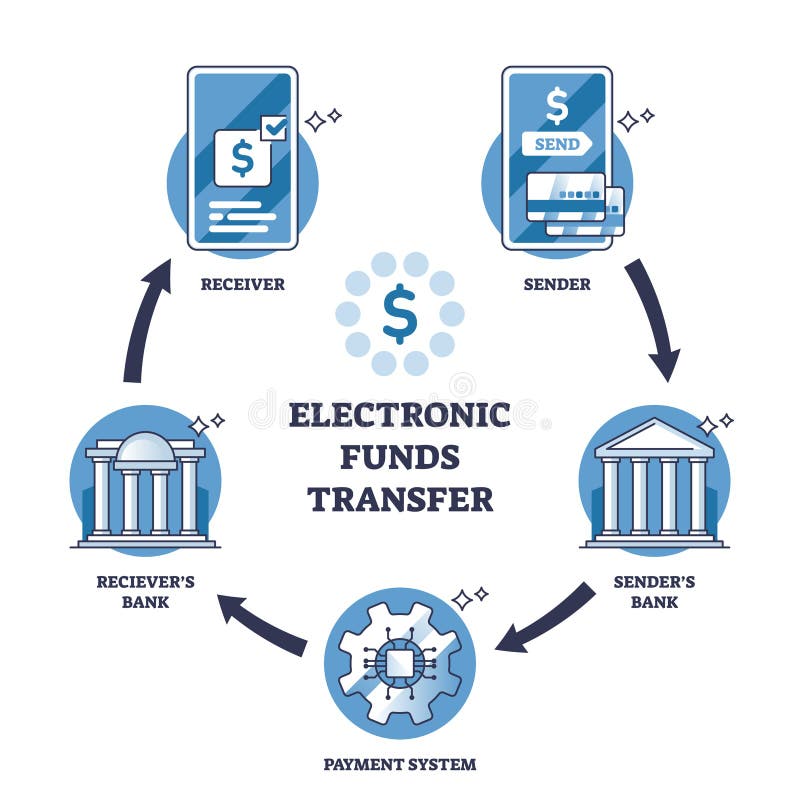
For quick and secure electronic transfers, options like ACH (Automated Clearing House) transfers, wire transfers, and peer-to-peer (P2P) payment apps (e.g., Zelle, PayPal, Venmo) are increasingly popular. EFTs are ideal for direct bank-to-bank transfers, while P2P apps offer instant transfers for smaller amounts between individuals, often without fees if linked to a bank account. These methods generally offer better tracking and faster fund availability compared to physical money orders.
Protecting Yourself: Money Order Scams and Best Practices
Money orders are generally safe, but they are not immune to fraud. Vigilance is key to protecting yourself.
Recognizing Common Money Order Scams
Be wary of scams where you are asked to deposit a money order, keep a portion, and wire the rest back to the sender. The money order might be counterfeit, and you would be responsible for the full amount once the fraud is discovered. Other red flags include money orders for amounts greater than expected, pressure to act quickly, or requests for your personal banking information.
Tips for Safe Money Order Transactions
- Only accept money orders from trusted sources.
- Examine the money order carefully for any signs of tampering or poor printing quality.
- Always deposit a money order at your own bank or credit union. Avoid cashing it at a third-party location if possible.
- Wait for the funds to fully clear before spending the money, even if it appears in your account. Banks can reverse deposits if a money order turns out to be fraudulent.
- Keep your receipt when purchasing or sending a money order; it contains tracking information.
- If in doubt, verify the money order with the issuing entity (e.g., USPS, Western Union) before depositing or cashing it.
By understanding how banks handle money orders and adhering to best practices, you can confidently use this payment method while minimizing risks.