Sending money to loved ones or for business purposes in the Dominican Republic is a common necessity for many globally. With a significant diaspora and growing international ties, the demand for efficient, affordable, and secure money transfer methods has never been higher. Navigating the various options can be overwhelming, as each comes with its own set of advantages and disadvantages regarding fees, exchange rates, speed, and convenience. This comprehensive guide aims to illuminate the best ways to send money to the Dominican Republic, helping you make an informed decision tailored to your specific needs.
Understanding Your Options: Key Money Transfer Methods
The landscape of international money transfers has evolved significantly, offering a range of methods from modern digital platforms to long-established traditional services. Each method caters to different priorities, whether it's the speed of transfer, the cost-effectiveness, or the accessibility for both sender and receiver.
Online Money Transfer Services (Apps and Websites)
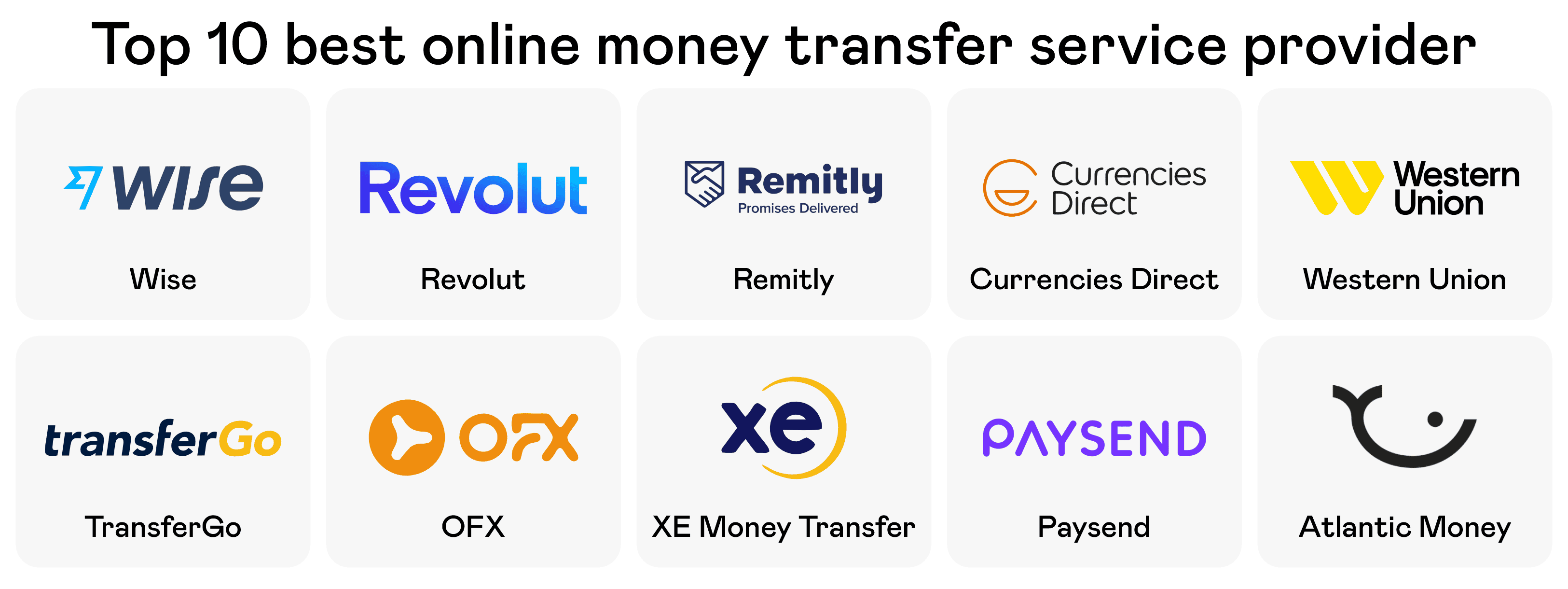
In recent years, online money transfer services have revolutionized how individuals send money internationally. These platforms, accessible via websites and mobile apps, are often lauded for their user-friendliness, competitive exchange rates, and lower fees compared to traditional banks. Services such as Remitly, Wise (formerly TransferWise), Xoom (a PayPal service), WorldRemit, and Paysend have become popular choices for sending money to the Dominican Republic. They typically offer various payout options, including direct bank deposits, cash pickup at numerous agent locations across the Dominican Republic, and in some cases, mobile wallet top-ups. Their digital-first approach means transfers can often be initiated 24/7, providing unparalleled convenience. When looking for the "best app to send money to Dominican Republic" or the "cheapest way to send money to Dominican Republic," these online providers frequently top the list due to their transparency in displaying exchange rates and fees upfront.
Traditional Wire Transfers (Banks and Remittance Companies)
Traditional methods remain a viable and often trusted option, especially for those accustomed to their services or for larger transfers. Companies like Western Union and MoneyGram have an extensive network of physical locations worldwide and in the Dominican Republic, making cash pickup a very accessible option for recipients who may not have bank accounts. Direct bank transfers, offered by institutions like Wells Fargo with services such as ExpressSend, are another traditional route. While generally reliable, traditional wire transfers can sometimes incur higher fees and offer less favorable exchange rates compared to online specialists. The speed of transfer might also be slower, particularly for bank-to-bank transfers, which can take several business days to process. Despite these potential drawbacks, their long-standing presence and perceived security make them a preferred choice for many.
Mobile Wallets and Cryptocurrency (Emerging Options)

As technology advances, new methods for sending money abroad are continuously emerging. Mobile wallets, while not as widely adopted for international remittances in the Dominican Republic as in some other regions, are gaining traction. They offer instant transfers to a recipient's mobile phone, which can then be used for payments or withdrawn as cash. Cryptocurrency platforms also present an alternative, with some services like Binance offering "Send Cash" options in Latin America, allowing users to convert crypto to local currency for bank deposits. These methods can offer very competitive rates and speed, but they often require a higher level of technical familiarity and their accessibility in the Dominican Republic may vary. Users should also be aware of the volatility of cryptocurrencies and the regulatory landscape, which is still evolving.
Factors to Consider When Choosing a Service
Selecting the ideal money transfer service involves more than just picking the first option you see. Several critical factors should influence your choice to ensure your money reaches its destination efficiently, affordably, and safely.
Exchange Rates and Fees
The "best rate to send money to Dominican Republic" is often a primary concern for senders. Exchange rates and transfer fees directly impact the final amount your recipient receives. A seemingly low transfer fee can be negated by a poor exchange rate, and vice-versa. Always compare the exchange rates offered by different providers. Many services use a mid-market rate but add a markup. Online platforms are usually more transparent about these costs. Look out for any hidden fees, especially for certain payment or payout methods. Some services might offer "zero-fee money transfers" for promotional periods or for specific corridors, like those mentioned in news about BOSS Money, but it's crucial to check the associated exchange rate during these promotions.
Speed of Transfer
For urgent needs, the "fastest way to send money to Dominican Republic" becomes paramount. Transfer speeds can range from a few minutes to several business days. Cash pickup services offered by online providers and traditional companies like Western Union can often be instantaneous. Bank transfers, especially if they involve multiple intermediary banks, tend to be slower. Consider the urgency of your recipient's needs when choosing a service. Some platforms offer expedited services for an additional fee.
Transfer Limits and Receiving Options
Different services impose varying transfer limits, both minimum and maximum. These limits can also depend on your verification level with the service. Ensure the service you choose accommodates the amount you wish to send. Equally important are the receiving options available in the Dominican Republic. Does your recipient have a bank account? Is cash pickup more convenient for them? Do they use a mobile wallet? The more flexible a service is with payout options (bank deposit, cash pickup at specific locations, mobile top-up), the more convenient it will be for your recipient.
Security and Reliability
With the rise of financial fraud, as highlighted by various news reports on scams originating from or involving the Dominican Republic, choosing a secure and reliable service is non-negotiable. Always opt for providers that are licensed and regulated in your country and the Dominican Republic. Reputable companies employ robust security measures to protect your money and personal information. Check reviews and ratings, and be wary of unsolicited offers or requests for money transfer that seem suspicious. A secure transfer means peace of mind for both you and your recipient.
Customer Service
While often overlooked, access to responsive and helpful customer service can be invaluable, especially if you encounter any issues with your transfer. Check if the service offers customer support in your preferred language and through channels that are convenient for you (phone, email, live chat). Good customer service can make a significant difference in resolving problems quickly and efficiently.
Step-by-Step Guide to Sending Money
Once you've considered the factors above, sending money to the Dominican Republic is a straightforward process:
Comparing Providers
Start by comparing several providers based on fees, exchange rates, and transfer speeds for your specific amount and destination. Online comparison tools can be helpful, or you can check individual provider websites directly. Pay attention to any introductory offers or loyalty programs that might reduce costs.
Gathering Recipient Information
Before initiating the transfer, ensure you have all the necessary details for your recipient. This typically includes their full legal name (matching their ID for cash pickup), their physical address, their phone number, and if sending to a bank account, the bank name, branch, and account number. For cash pickup, confirm the nearest agent location that is convenient for them.
Initiating the Transfer
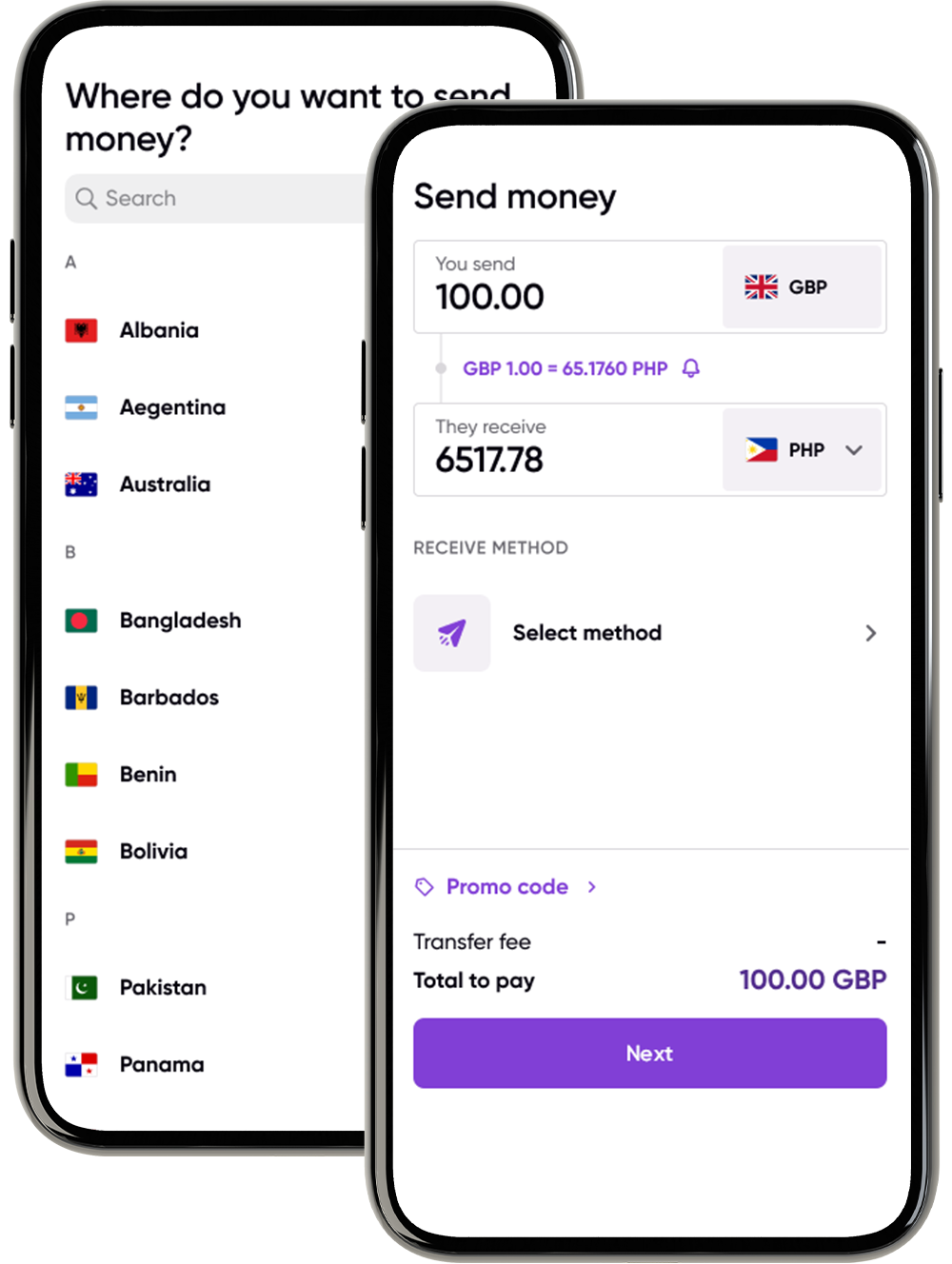
Create an account with your chosen service (if you don't already have one) and follow their instructions to set up a new transfer. You'll typically enter the amount you wish to send, select the payout method, and choose your payment method (bank transfer, debit/credit card, etc.). Review all the details carefully, including the final amount the recipient will receive, before confirming the transaction.
Tracking and Confirmation
After your transfer is confirmed, most services will provide a transaction reference number or tracking ID. Share this with your recipient so they can track the status of the funds or present it for cash pickup. You will also receive notifications when the money is sent and when it's available for collection or deposited.