
In the complex world of real estate finance, the term "hard money loan" often conjures images of quick, high-interest funding typically reserved for investors flipping properties or undertaking commercial ventures. However, a less common but sometimes necessary application involves using hard money loans for a primary residence. This approach comes with unique considerations, benefits, and significant drawbacks that prospective homeowners must thoroughly understand before diving in.
What Exactly is a Hard Money Loan?
A hard money loan is a short-term loan secured by real estate. Unlike conventional mortgages from banks or credit unions, hard money loans are issued by private investors or companies and are primarily based on the value of the property rather than the borrower's creditworthiness. Lenders assess the "after repair value" (ARV) of a property, especially in cases where renovations are planned, making them popular for real estate investors. The approval process is typically much faster than traditional loans, often closing in a matter of days or weeks, as opposed to months. However, this speed and flexibility come at a price: higher interest rates, shorter repayment terms (usually six months to three years), and larger origination fees.
Can You Obtain a Hard Money Loan for a Primary Residence?
This is a critical question, and the answer is nuanced. While hard money loans are predominantly used for investment properties, it is indeed possible, though less common and often more challenging, to secure one for a primary residence. The key distinction lies in consumer protection laws. Residential mortgages, particularly for owner-occupied homes, are subject to stringent regulations like the Dodd-Frank Act's Ability-to-Repay (ATR) rule. This rule requires lenders to make a reasonable, good-faith determination that a borrower has the ability to repay the loan.
Many traditional hard money lenders prefer to avoid these regulations, which is why they primarily lend to businesses or for non-owner-occupied investment properties. Lending for a primary residence increases the regulatory burden and potential liability for the lender. As a result, finding a hard money lender willing to underwrite a loan for an owner-occupied property can be difficult, and those who do may impose even stricter terms and higher costs to offset the added risk and compliance requirements.
Navigating Occupancy and Compliance
The distinction between a primary residence and an investment property is not just semantic; it has significant legal and financial implications. Misrepresenting the occupancy status of a property (known as occupancy fraud) carries severe penalties for both the borrower and the lender. Lenders are increasingly vigilant about preventing such fraud, especially given the enhanced regulations surrounding primary residence loans. Therefore, any borrower considering a hard money loan for their home must be transparent about their intent to occupy the property. Lenders who offer hard money loans for primary residences will be fully compliant with all consumer protection laws, which might mean a slightly longer approval process than a typical investment hard money loan, though still faster than conventional financing.
Why Consider a Hard Money Loan for a Primary Residence?
Given the complexities and higher costs, why would anyone opt for a hard money loan for their primary home? There are specific situations where this type of financing might be the only viable option:
- Poor Credit or Non-Traditional Income: Traditional lenders heavily rely on credit scores and verifiable income. If a borrower has a low credit score, a recent bankruptcy, or income that is difficult to document (e.g., self-employed individuals with fluctuating income), a hard money loan may be accessible when conventional loans are not.
- Quick Closing Needed: In competitive housing markets or distressed sale situations (e.g., foreclosure auctions, divorce settlements), a buyer might need to close on a property very quickly. Hard money lenders can often approve and fund a loan in a fraction of the time it takes for a traditional mortgage.
- Unique or Distressed Properties: Properties that are in disrepair, unconventional, or require significant renovations often don't qualify for traditional financing until the work is completed. A hard money loan, based on the property's potential value, can provide the necessary funds to purchase and, in some cases, even renovate the home before refinancing into a conventional mortgage.
- Bridge Financing: Homeowners looking to purchase a new primary residence before selling their current one might use a hard money loan as a bridge loan. This allows them to quickly acquire the new home, then repay the hard money loan once their old property sells.
The Risks and Drawbacks of Hard Money Loans for Primary Residences
While hard money loans can offer a solution in challenging circumstances, they come with substantial risks that should not be overlooked:
Higher Interest Rates and Fees
Hard money loans typically carry interest rates significantly higher than conventional mortgages, often ranging from 8% to 15% or more. In addition, borrowers can expect to pay higher origination fees (points) and other closing costs, which can add thousands of dollars to the upfront expense. These factors make the total cost of borrowing much higher, especially over time if the loan is not refinanced quickly.
Shorter Repayment Terms
The short repayment period, usually 6 to 36 months, means higher monthly payments compared to a long-term traditional mortgage. This can put significant financial strain on a homeowner if they haven't secured a clear exit strategy, such as refinancing into a conventional loan or selling the property, before the hard money loan matures.
Larger Down Payment Requirements
While hard money loans are asset-based, lenders typically require a substantial down payment, often 20% to 30% or even higher, to mitigate their risk. This can be a barrier for many individuals, especially those already facing financial challenges.
Strict Repayment Schedules and Foreclosure Risk
Hard money lenders are private entities with less regulatory oversight on foreclosure processes compared to traditional banks. Defaulting on a hard money loan can lead to swift and unforgiving foreclosure proceedings, putting the primary residence at immediate risk. The lack of payment flexibility compared to institutional lenders makes these loans particularly risky for primary homeowners.

Alternatives to Hard Money Loans for Primary Residences
Before considering a hard money loan for your primary residence, it's crucial to explore all conventional and government-backed financing options:
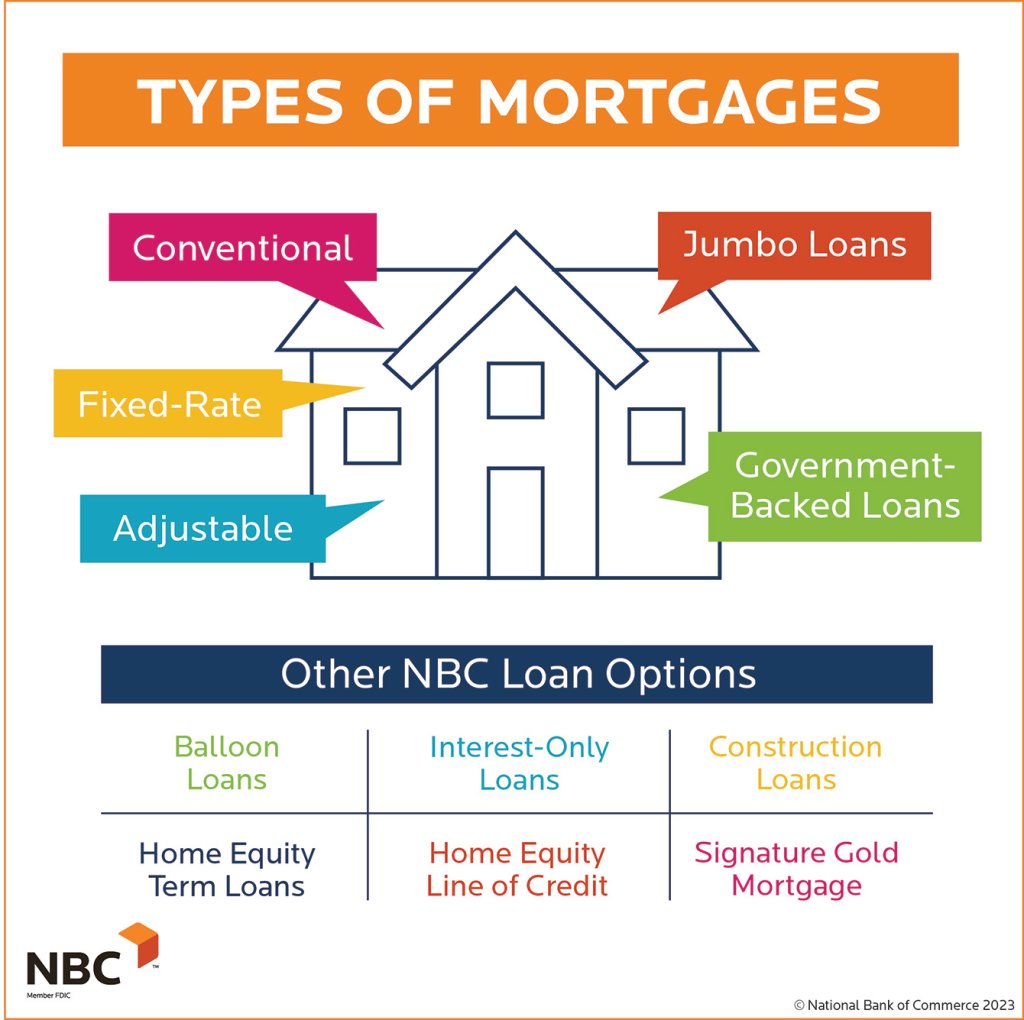
Traditional Mortgages
Conventional loans offer lower interest rates and longer repayment terms (15, 20, or 30 years). While they have stricter credit and income requirements, they are almost always the most affordable option for a primary residence.
FHA Loans
Backed by the Federal Housing Administration, FHA loans are designed for borrowers with lower credit scores or smaller down payments. They offer more flexible underwriting standards and require a minimum down payment of 3.5%.
VA Loans
For eligible service members, veterans, and surviving spouses, VA loans offer competitive interest rates, no down payment requirements, and no private mortgage insurance (PMI).
USDA Loans
The U.S. Department of Agriculture (USDA) offers loans to low- and moderate-income borrowers in eligible rural areas, often with no down payment.
Rehabilitation Loans (FHA 203k)
If the reason for considering a hard money loan is a distressed property needing repairs, an FHA 203k loan might be a better alternative. This loan allows borrowers to finance both the purchase and the renovation of a primary residence into a single mortgage.
Finding a Hard Money Lender for a Primary Residence
If, after exploring all other avenues, a hard money loan remains the only option for a primary residence, it's essential to conduct thorough due diligence. Seek out lenders who explicitly state they offer owner-occupied hard money loans and are fully compliant with federal and state consumer lending laws. Compare terms from multiple lenders, paying close attention to interest rates, points, fees, and repayment schedules. Always read the loan agreement carefully and consider seeking independent legal counsel to understand all the implications before signing.
While hard money loans can provide a vital lifeline for specific primary residence scenarios, their high costs and risks necessitate careful consideration and a robust exit strategy. They should typically be viewed as a short-term solution to bridge a gap, rather than a long-term financing option for a family home.