Navigating the landscape of savings accounts can be a complex task for anyone looking to make their money work harder. Among the most popular options that offer better returns than a traditional savings account are Money Market Accounts (MMAs) and High-Yield Savings Accounts (HYSAs). While both are excellent choices for parking your emergency fund or saving for a short-to-medium-term goal, they come with distinct features that cater to different financial needs. Understanding these differences is key to making an informed decision about where to grow your hard-earned cash. For a more in-depth look at optimizing your returns, explore High-Yield Money Market Savings Accounts: Your Guide to Better Returns.
:max_bytes(150000):strip_icc()/are-money-market-accounts-considered-checking-or-savings.asp-final-cdfb86cadd614436badd72168a285667.png)
What is a High-Yield Savings Account (HYSA)?
Definition and Core Features
A High-Yield Savings Account (HYSA) is, at its core, a savings account designed to offer significantly higher interest rates than those found at traditional brick-and-mortar banks. These accounts are predominantly offered by online-only banks, which have lower overhead costs and can pass those savings on to their customers in the form of elevated Annual Percentage Yields (APYs). HYSAs are an attractive option for individuals seeking to maximize their interest earnings while maintaining easy access to their funds.
Key characteristics of HYSAs include their safety, as they are typically insured by the Federal Deposit Insurance Corporation (FDIC) for up to $250,000 per depositor, per insured bank, for each account ownership category. This means your principal is protected even if the bank fails. HYSAs offer a high degree of liquidity, allowing for easy electronic transfers to linked checking accounts or other external accounts. While they provide excellent returns on savings, HYSAs generally do not come with transactional features like check-writing or debit cards, emphasizing their role as a pure savings vehicle.

Advantages of HYSAs
The primary advantage of HYSAs is their ability to generate higher interest income compared to standard savings accounts. In the current economic climate, many HYSAs offer APYs that can significantly outpace inflation, helping your savings grow more effectively. Recent reports show top high-yield savings rates reaching up to 5.00% APY, making them a compelling option for savers.
Another significant benefit is their simplicity and accessibility. Most HYSAs are opened and managed online, providing convenience and allowing customers to access their account information and initiate transfers from anywhere with an internet connection. The online-only nature often translates to fewer fees and lower (or no) minimum balance requirements, making them accessible to a broader range of savers. Furthermore, the FDIC insurance provides peace of mind, ensuring your deposits are safe.
Disadvantages of HYSAs
Despite their appeal, HYSAs do have some drawbacks. One notable characteristic is their variable interest rates. While rates are currently competitive, they are not fixed and can fluctuate with changes in the broader economic environment and Federal Reserve policies. This means that while you might earn a high APY today, it could decrease in the future.
Additionally, HYSAs are generally not designed for frequent transactions. They typically lack check-writing capabilities or ATM cards, meaning you'll need to transfer funds to a linked checking account for cash withdrawals or bill payments. While electronic transfers are usually seamless, they might not offer the same immediate access as an account with direct transactional features. For those looking for guaranteed returns over a set period, Certificates of Deposit (CDs) might offer a higher, locked-in rate, though they come with less liquidity.
What is a Money Market Account (MMA)?
Definition and Core Features
A Money Market Account (MMA) is a type of deposit account offered by banks and credit unions that shares characteristics with both traditional savings accounts and checking accounts. MMAs typically offer competitive interest rates, often higher than standard savings accounts, which are tied to current money market rates. This makes them an attractive option for individuals who want to earn a solid return on their savings while still having some flexibility for transactions.
Like HYSAs, MMAs are safe places to keep your money, as they are insured by the FDIC (for banks) or the National Credit Union Administration (NCUA) for credit unions, up to $250,000 per depositor, per institution. A distinguishing feature of many MMAs is the inclusion of transactional capabilities, such as check-writing privileges and/or a debit card. These features provide a hybrid solution for savers who need occasional access to their funds without penalty, blurring the lines between a savings and a checking account.
Advantages of MMAs
One of the main advantages of MMAs is their competitive interest rates, which are often comparable to, and sometimes even higher than, those offered by HYSAs. Many of the "best money market accounts" currently offer APYs up to 4.00% or even 4.22%, according to recent financial reports. This allows your savings to grow significantly while remaining easily accessible.
The transactional flexibility is another major draw. The ability to write a limited number of checks or use a debit card directly from the account for certain purchases or cash withdrawals can be very convenient. This feature makes MMAs suitable for individuals who want to keep their emergency fund liquid but also need to occasionally access larger sums for planned expenses without having to first transfer money to a separate checking account. The dual nature of earning interest and having some transactional power makes MMAs a versatile financial tool.
Disadvantages of MMAs
While MMAs offer a blend of savings and transactional features, they come with certain limitations. Historically, MMAs were subject to Regulation D, which limited the number of convenient withdrawals and transfers to six per statement cycle. Although Regulation D has been suspended, many banks still impose their own limits on transactions, so it's crucial to check with your specific institution. Exceeding these limits can result in fees or even conversion of the account to a non-interest-bearing checking account.
Furthermore, MMAs often come with higher minimum balance requirements than HYSAs. Failing to maintain the required minimum balance can lead to monthly service fees, which can erode your interest earnings. It's important for prospective account holders to carefully review the fee schedule and minimum balance policies before opening an MMA. Like HYSAs, MMA interest rates are variable and can change with market conditions, meaning your earnings are not guaranteed to stay consistent.
Key Differences: Money Market Account vs. High-Yield Savings Account
Interest Rates
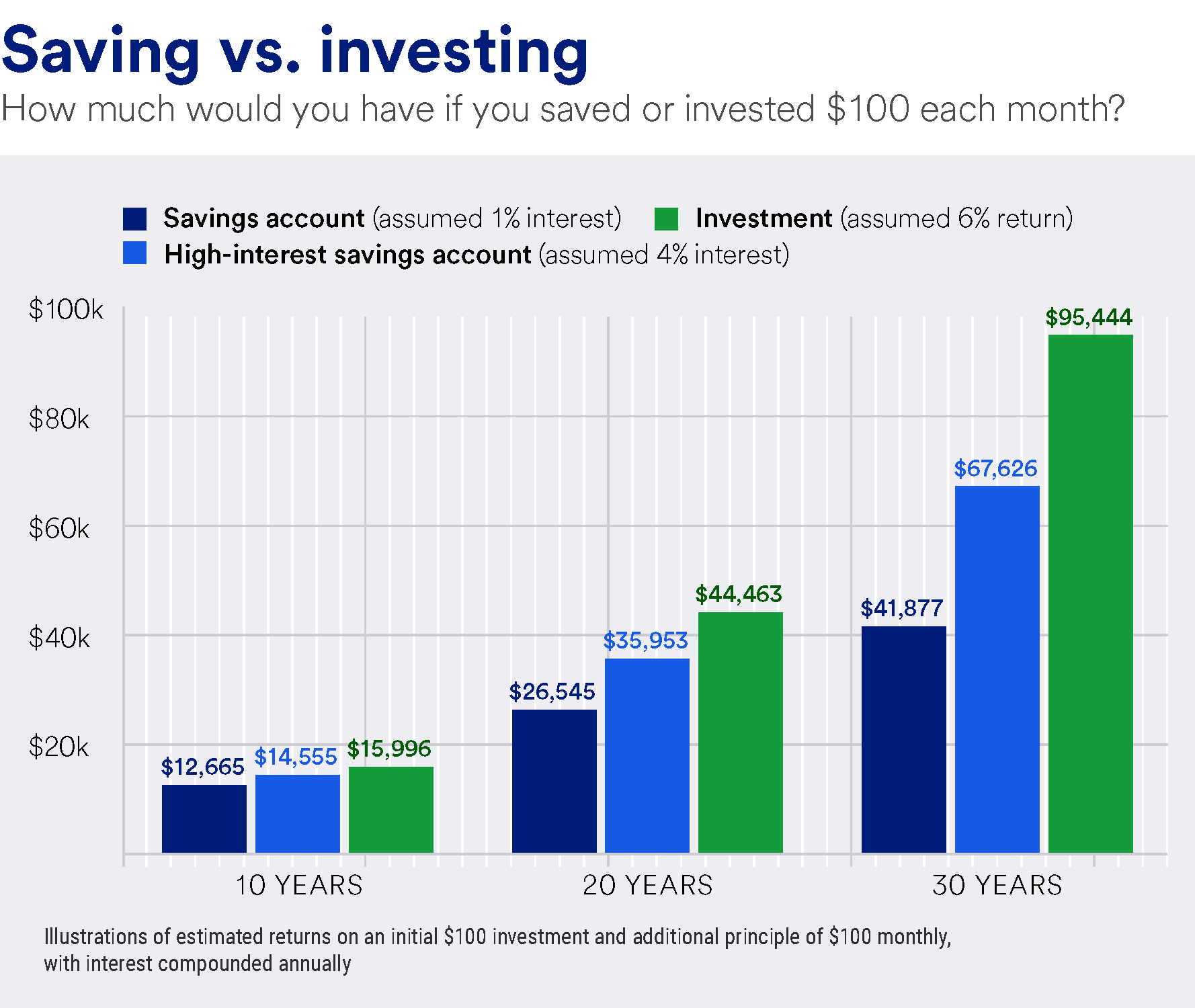
Both MMAs and HYSAs are designed to offer superior interest rates compared to traditional savings accounts. Generally, high-yield savings accounts, particularly those from online-only banks, tend to lead the market in terms of the highest APYs. This is often due to the lower operating costs of online institutions. However, money market accounts can be highly competitive, with rates often closely matching or even exceeding some HYSAs, especially in a rising interest rate environment. For instance, recent reports show HYSAs offering up to 5.00% APY, while MMAs are seen with rates up to 4.22% APY. The best choice for rates often depends on specific bank promotions and current economic conditions.
Accessibility and Transactional Features
This is arguably the most significant differentiator. High-yield savings accounts are primarily designed for saving and offer limited transactional capabilities. Access to funds is typically through electronic transfers to linked accounts. Money market accounts, on the other hand, typically bridge the gap between savings and checking accounts by offering limited check-writing privileges and/or a debit card. This means you can directly pay bills or make purchases from an MMA, albeit usually with a cap on the number of transactions per month. If you anticipate needing to make occasional payments or withdrawals directly from your interest-earning account, an MMA might be more convenient.
Minimum Balance Requirements and Fees
Money market accounts often come with higher minimum balance requirements to open or to waive monthly service fees. If your balance dips below this threshold, you might incur fees that can offset your interest earnings. High-yield savings accounts, especially from online banks, frequently have lower or no minimum balance requirements and fewer associated fees, making them more accessible for those with smaller savings or those who prefer not to maintain a large balance. Always check the specific terms and conditions of each account.
FDIC/NCUA Insurance
When it comes to the safety of your principal, there is no difference between a Money Market Account and a High-Yield Savings Account. Both account types are insured by the FDIC (for banks) or NCUA (for credit unions) up to the standard limit of $250,000 per depositor, per insured institution, for each ownership category. This means your money is equally secure in either type of account, provided the institution is federally insured.
Underlying Investments: An Important Clarification
It's crucial to distinguish a Money Market Account (MMA) from a Money Market Fund (MMF). A Money Market Account is a deposit account offered by a bank or credit union, and as discussed, it is FDIC/NCUA insured. A Money Market Fund, however, is a type of mutual fund that invests in highly liquid, short-term debt instruments. Money Market Funds are *not* FDIC/NCUA insured, meaning they carry a small degree of investment risk, though they are generally considered low-risk. When comparing MMAs with HYSAs, ensure you are comparing two deposit account types to maintain consistent risk profiles.
Which Account Is Right For You?
When to Choose a High-Yield Savings Account
A High-Yield Savings Account is often the best choice for individuals whose primary goal is to grow their savings with minimal fuss and maximum interest. If you are building an emergency fund, saving for a down payment on a house, or accumulating funds for a significant purchase, and you don't anticipate needing frequent direct access to these funds via checks or a debit card, an HYSA is ideal. Its competitive interest rates and typically lower fee structure, especially with online banks, make it a straightforward and efficient tool for pure savings goals.
When to Choose a Money Market Account
Consider a Money Market Account if you desire a blend of competitive interest rates and some transactional flexibility. If you want your savings to earn more than a traditional account but also appreciate the convenience of being able to write a few checks each month or use a debit card for occasional larger expenses, an MMA could be a suitable option. This account type is often preferred by those who maintain a slightly larger balance and value the hybrid features it offers for managing liquid funds. Just be mindful of the minimum balance requirements and any transaction limits to avoid fees.
Hybrid Approach and Other Considerations
It's not uncommon for individuals to utilize both HYSAs and MMAs, or even incorporate Certificates of Deposit (CDs) into their savings strategy. For instance, you might use an HYSA for your primary emergency fund due to its simplicity and high-interest potential, and an MMA for a portion of your savings that you might need to access occasionally for larger, planned expenses. For funds you can lock away for a specific period without needing access, a CD might offer even higher, fixed interest rates. Ultimately, the best choice depends on your personal financial habits, liquidity needs, and risk tolerance. Always research different banks' offerings, paying close attention to current interest rates, fees, minimum balance requirements, and customer service quality to find the account that aligns best with your financial objectives. For further guidance on selecting the right option, check out Choosing Between a Savings Account and a Money Market Account.